Musty odor with no visible growth
We use a thermal imaging camera and moisture meter to find the wet zone, then pull air samples from inside the suspect cavity. If the spore count is elevated, we know exactly where to open up and remediate.
When you smell something musty or spot dark staining after a leak, emergency mold testing services WESTLAKE VILLAGE CA tell you exactly what you are dealing with. We sample air and surfaces, run moisture readings, and hand you a lab report you can act on. Homeowners, landlords, and property managers across Los Angeles County call us because we show up fast and test the right spots the first time.
Emergency mold testing services WESTLAKE VILLAGE CA is a same-day diagnostic service that samples the air, surfaces, and hidden cavities of your home or building to confirm whether mold is present, what type it is, and how far it has spread. We use a thermal imaging camera to find cool spots behind drywall, a moisture meter to confirm active water, and a boroscope to look inside wall cavities without tearing anything open. Spore trap samples go to an accredited lab, and you get written results you can hand to an insurance adjuster.
Most calls we take in Westlake Village start the same way: a roof leak after a winter storm, a slow supply-line drip under a kitchen sink, or a musty smell in a closet nobody uses. By the time you notice a musty odor, mold colonies can already be three to five days old. That is why urgent mold sampling WESTLAKE VILLAGE California matters. If you have had water damage from leaks, roof leaks causing attic mold, or crawl space moisture, testing first tells you whether you need a small cleanup or full containment.
Every emergency testing visit includes the diagnostic work, the sampling, and the written report. Remediation is quoted separately if the lab confirms a problem. Here is what you get on the standard call.
We walk the property with a thermal imaging camera and moisture meter, checking baseboards, ceilings, under sinks, and around appliances. Any wall cavity that reads wet gets a boroscope look. This is how we find mold behind walls without cutting anything open.
Spore trap samples capture what is airborne, and surface swabs confirm what is growing on visible material. We pull one outdoor baseline sample so the lab can compare indoor counts against normal background levels for the area.
Samples go to an accredited lab following CDPH guidelines. The report lists mold genus, spore count per cubic meter, and the comparison against your outdoor baseline. Standard turnaround is 24 to 48 hours.
You get a plain-language summary of what we found and what it means. If remediation is needed, we scope it against ANSI/IICRC S520. If it is a minor surface issue, we tell you that too.
Moisture readings, thermal images, sample logs, and chain-of-custody paperwork are bundled for your insurer. Adjusters get a complete picture of where the water came from and how far the growth has spread.
If the situation is clearly active and visible, we can quote remediation on the same visit so you are not waiting on two appointments. The quote is based on what we see, and the lab report confirms the final scope.
We ask four questions: where is the smell or stain, when did the water event happen, is anyone reacting, and has the area been closed up. That tells us what gear to load. You get a two-hour arrival window, and we call when we are 20 minutes out.
On arrival we walk the property with a thermal imaging camera and moisture meter. We check baseboards, ceiling corners, under sinks, and around the water heater. A boroscope goes into any wall cavity that reads wet. This takes 30 to 45 minutes in a typical 2,000-square-foot home.
We run spore trap samples indoors and one outdoor baseline, then swab any visible growth. Samples are labeled, sealed, and logged with chain-of-custody. A standard job is three to five samples, which is enough to map a single room or a whole floor.
Samples go to an accredited lab under CDPH guidelines. Standard turnaround is 24 to 48 hours; rush service is available when you are on a real estate deadline. The report lists genus, spore counts per cubic meter, and a comparison against your outdoor baseline.
We walk you through the report in plain language: what is there, how bad it is, and what it takes to fix it. If remediation is needed, we scope it against ANSI/IICRC S520. If it is a small surface issue, we tell you that too and save you the money.
Purpose-built equipment, used by trained technicians — so the job is done accurately the first time.
Finds temperature differences behind walls that indicate hidden moisture. We use it to map the wet zone before we pull a single sample.
Confirms active water in drywall, wood framing, and insulation. Readings go into the report as documentation for your insurer.
Lets us look inside wall cavities and ductwork without demolition. We use it to confirm growth on the back side of drywall.
Captures airborne mold spores for lab analysis. We run indoor samples plus one outdoor baseline for comparison.
Removes settled spores from surfaces and framing during remediation. ProTeam and similar units with HEPA filters trap particles down to 0.3 microns.
Creates negative pressure inside containment so spores do not escape into clean areas. Abatement Technologies units run continuously during removal.
Dri-Eaz and Phoenix Restoration equipment dries the structure after water extraction. We run them until moisture readings return to normal.
A slow drip under the kitchen sink soaked the cabinet wall and baseboard for roughly three weeks before the homeowner noticed a musty smell. Moisture meter read 28 percent in the drywall, and air samples came back with elevated Cladosporium and Penicillium counts.
We set containment, removed the affected drywall and baseboard, HEPA vacuumed the framing, and treated with antimicrobial solution. Post-remediation testing came back at normal background levels. Total job took two days.
A February storm pushed water under a roof flashing. By the time the homeowner called in March, black mold growth covered about 40 square feet of sheathing and the insulation below was saturated. Air samples in the hallway showed elevated spore counts.
We removed the wet insulation, HEPA vacuumed and treated the sheathing, and ran an air scrubber for 48 hours. Clearance testing confirmed normal counts. The roofer replaced the flashing the same week.
A homeowner's son had been congested for months with no clear cause. Air samples at the return register showed spore counts three times higher than the outdoor baseline. The air handler pan had standing water and visible growth.
We cleaned the air handler, fogged the ductwork, and replaced the HEPA filters. Follow-up sampling two weeks later showed counts back to normal. The son's symptoms cleared within a week.
Most emergency calls come down to one of a handful of scenarios. Here is what we see most often and how testing sorts it out.
Ask a pro →We use a thermal imaging camera and moisture meter to find the wet zone, then pull air samples from inside the suspect cavity. If the spore count is elevated, we know exactly where to open up and remediate.
We inspect sheathing, rafters, and insulation, then sample before removing anything. Wet insulation comes out, framing gets HEPA vacuumed and treated with antimicrobial solution, and we confirm clearance with post-remediation testing.
We test the crawl space directly, then remove growth from framing with dry ice blasting or HEPA vacuum depending on the substrate. A vapor barrier and dehumidifier go in afterward to keep it dry.
We sample at the return and supply registers to confirm contamination, then clean the system and use a fogging machine to reach surfaces wiping cannot. HEPA filters go in after the cleaning.
Most emergency mold testing jobs in Westlake Village run $350 to $850 in 2026, depending on how many samples we pull and whether rush lab turnaround is needed. A basic three-sample air test starts near $350. Add surface swabs, cavity samples, or after-hours dispatch and the number climbs. You get the price before we start, and there is no charge for the phone consultation.
Yes. We run after hours mold testing WESTLAKE VILLAGE and weekend dispatch for active water events, sewage backups, and post-storm calls. Call (833) 929-5837 and we will give you a real arrival window, usually two hours. Overnight calls get sampled immediately, and the lab picks up the next morning so you are not waiting an extra day.
We target a two-hour arrival window for emergency calls in Westlake Village, and same day emergency mold testing WESTLAKE VILLAGE is standard when you call before 4 p.m. Sampling takes 45 to 90 minutes on site. Standard lab turnaround is 24 to 48 hours, with rush service available if you are on a real estate or insurance deadline.
Active water intrusion, visible growth spreading more than a square foot, a sewage backup, or anyone in the home with breathing complaints all qualify. So does a musty odor that appeared after a roof leak or a supply-line drip. If you can smell it or see it, testing now beats waiting. Call us and we will tell you honestly whether you need a same-day visit.
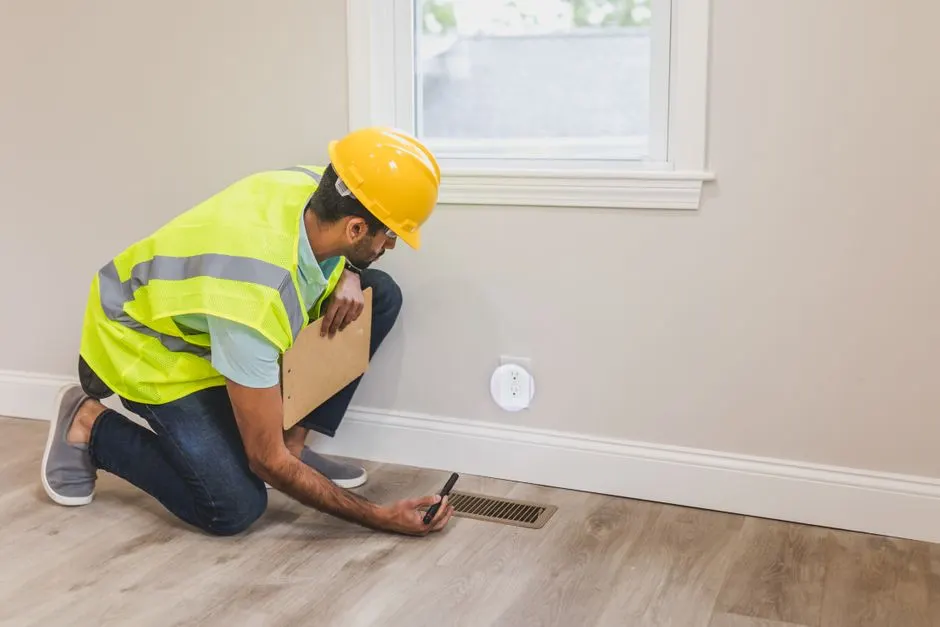 Mold Inspection Near MeA full walkthrough inspection pairs with emergency testing when you need the whole property assessed. We check attic, crawl space, bathrooms, and HVAC, then sample the areas that read wet. Most Westlake Village homes get a full inspection and testing package in one visit.Explore →
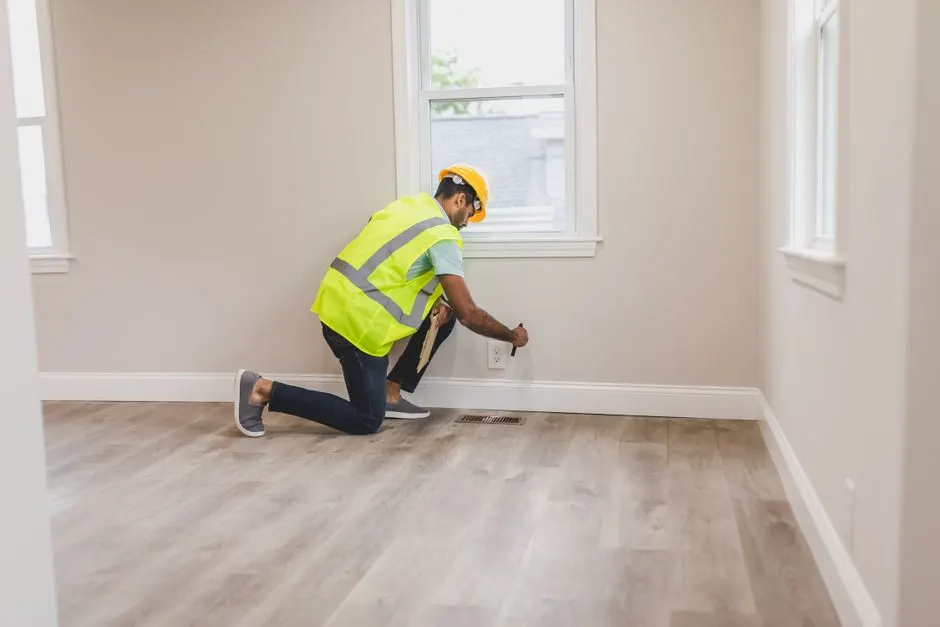 Mold InspectionStandard mold inspection covers visual assessment and moisture mapping without the urgency premium. If your situation is not active water damage, this is the right starting point. We still use a thermal imaging camera and moisture meter, just on a scheduled timeline instead of a same-day call.Explore →
 Mold TestingAir and surface mold testing is the core of what we do on emergency calls. Spore trap samples go to an accredited lab, and results come back with genus and count. This is the service that turns a musty smell into a documented answer.Explore →
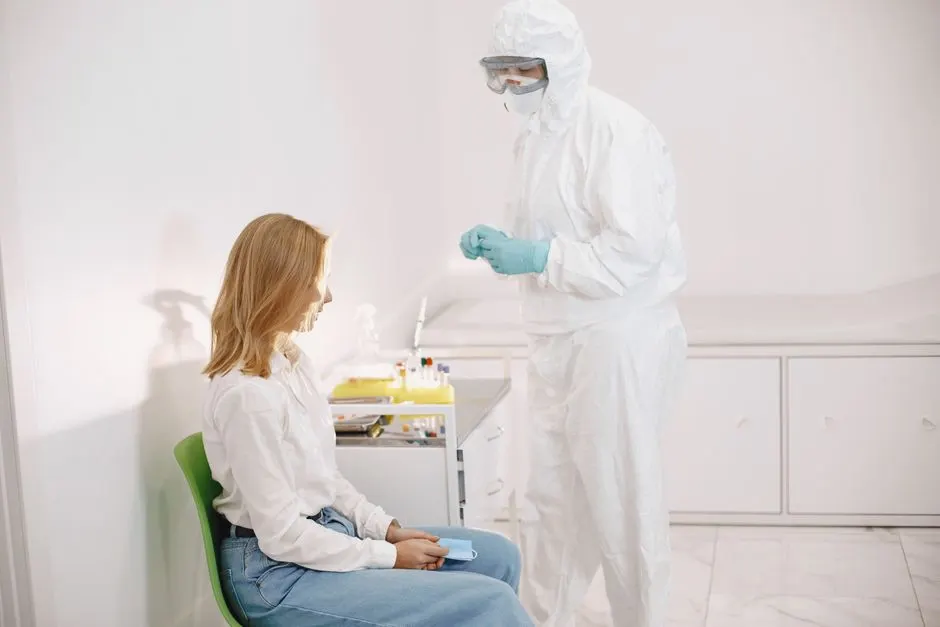 Mold Testing Near MeIf you are searching for mold testing near me in the 91361 or 91362 area, we cover Westlake Village and the surrounding Los Angeles County neighborhoods. Same equipment, same lab, same reporting standard whether it is a condo or a commercial building.Explore →
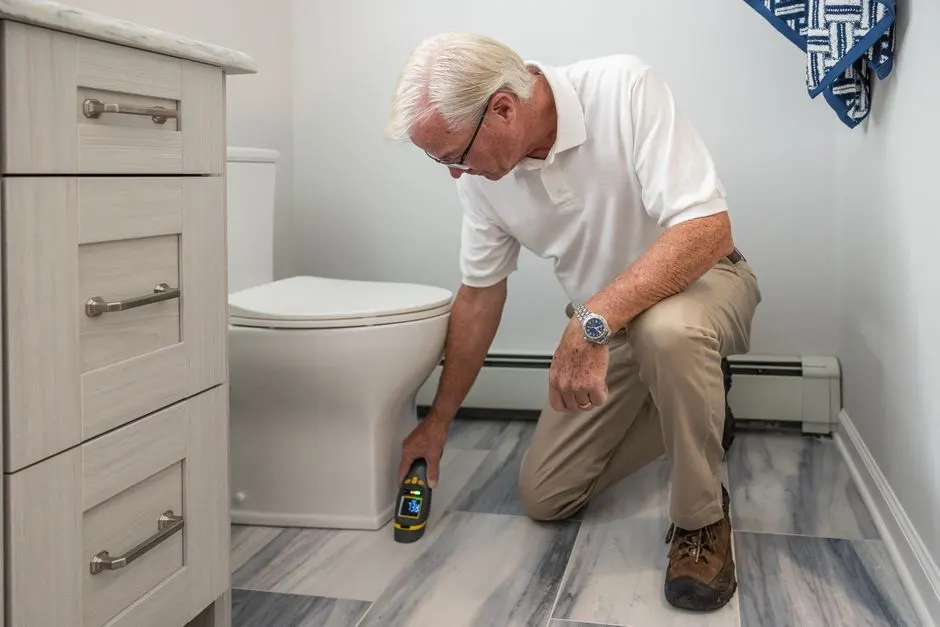 Certified Mold InspectorOur ACAC CMI and CMR certified inspectors handle the assessment side of every emergency call. Certification means the person interpreting your spore counts has passed a proctored exam and maintains continuing education. You get a qualified read on the data, not a sales pitch.Explore →
 Black Mold InspectionBlack mold growth gets its own inspection protocol because of how quickly it spreads in warm, closed-up spaces. We sample visible colonies directly and pull air samples nearby to measure spore release. If it is confirmed, we scope remediation against ANSI/IICRC S520.Explore →
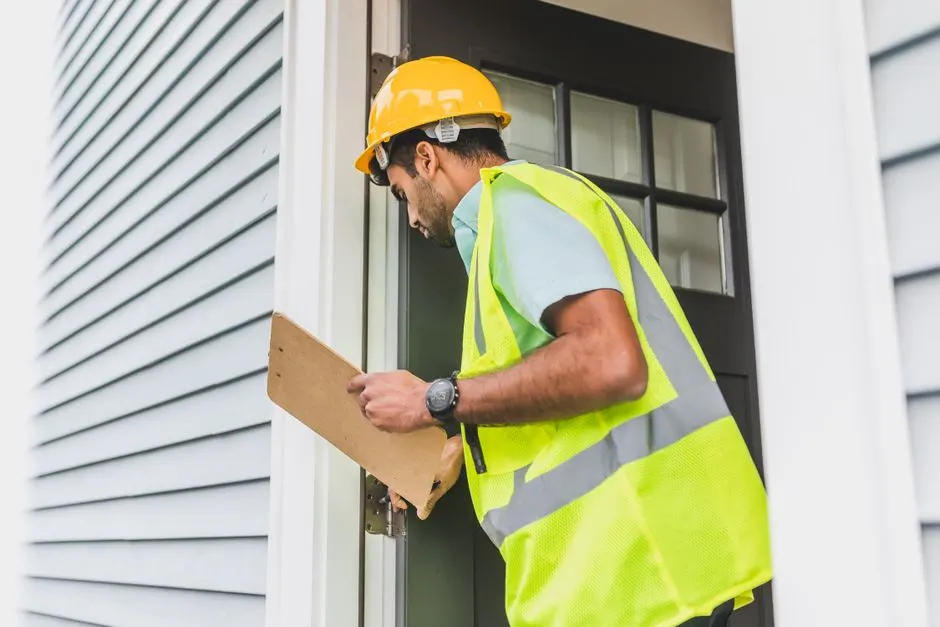 Home Mold InspectionA home mold inspection covers the whole house: attic, crawl space, bathrooms, kitchen, laundry, and ductwork. We map moisture with a meter and thermal camera, then test the suspect zones. Ideal for buyers, sellers, and anyone who has had a prior water event.Explore →
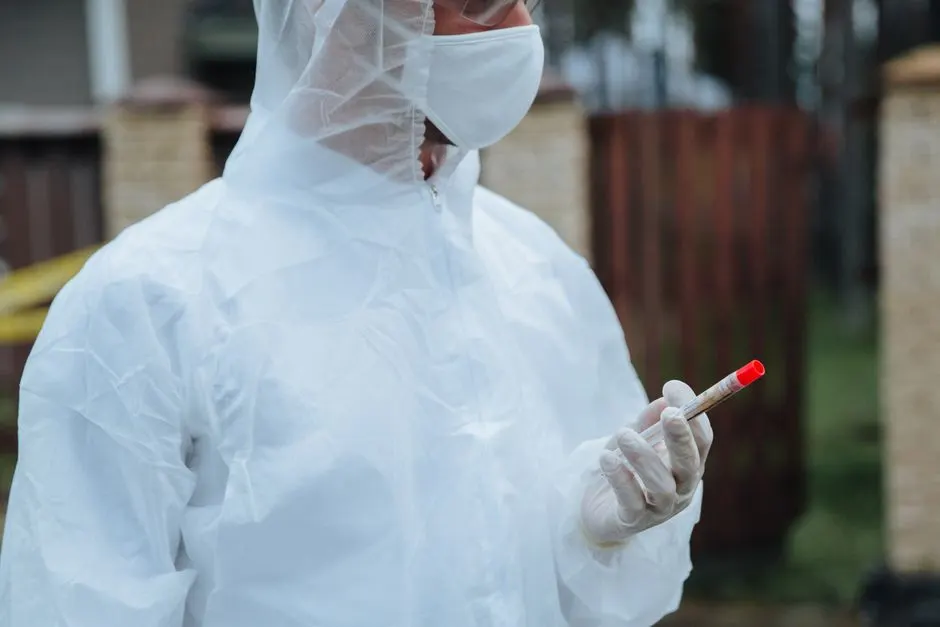 Residential Mold TestingResidential mold testing is built around family safety. We pay attention to bedrooms, HVAC returns, and any room where someone is reacting. Samples are compared against an outdoor baseline so you know whether indoor counts are actually elevated.Explore →
If you can smell it or see it, test it today. We are licensed, insured, and we answer the phone around the clock. Call (833) 929-5837 and we will give you a two-hour arrival window and a price before we roll.
Book Testing Now (833) 929-5837 →Call (833) 929-5837 any time, day or night. We answer live, dispatch fast, and cover every neighborhood in WESTLAKE VILLAGE and the surrounding Los Angeles County area. If you prefer email, send us your address and what you are seeing, and we will get back to you the same day.