Why does my house smell musty even after cleaning
That musty smell after cleaning usually means mold is growing somewhere you haven't cleaned - often in the HVAC, crawlspace, or behind walls. Here's how to find it.
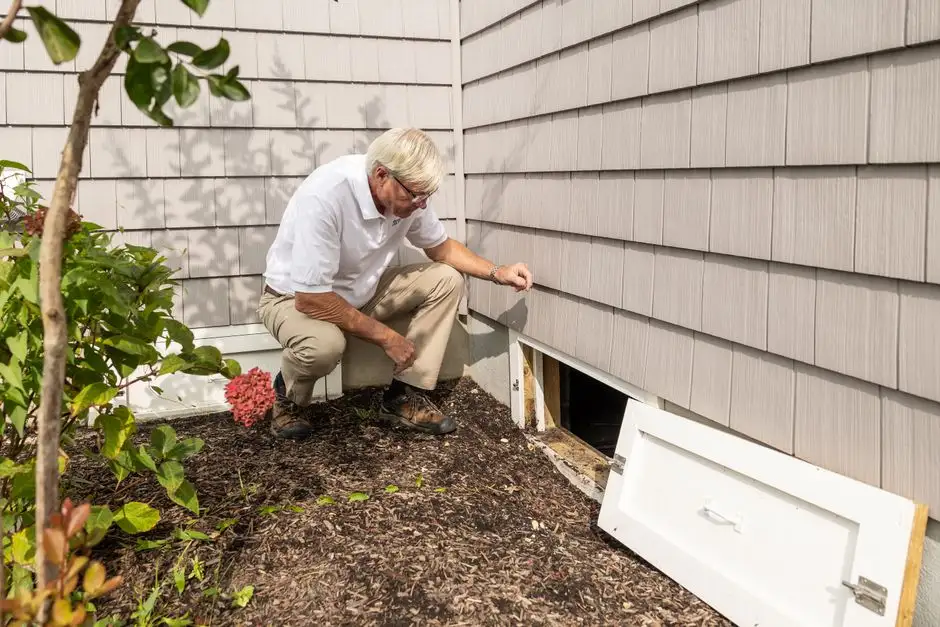
If your house still smells musty after you've mopped, vacuumed, and washed every surface you can see, the odor is almost certainly coming from mold growing somewhere you haven't cleaned - inside an HVAC duct, under a cabinet, in a crawlspace, or behind drywall. Cleaning removes surface grime and oils, but it does nothing to a mold colony that's actively releasing spores into your air. That's why the smell returns within hours.
Below we break down the real causes of a persistent musty odor in Westlake Village homes, where to look first, and when a professional inspection is the faster path.
The short answer: you're cleaning surfaces, not the source
Musty smell removal tips that focus on baking soda, vinegar, and air purifiers only work when the mold source is small and exposed. In most Westlake Village homes we inspect, the odor is coming from a colony that's been growing for weeks or months in a spot the homeowner can't reach.
Mold produces microbial volatile organic compounds (mVOCs) as it digests building materials. Those compounds are what your nose reads as "musty." They travel through the air, so wiping down a counter or running a diffuser doesn't touch them. You have to find and remove the colony.
Why does my house smell musty even after cleaning in Westlake Village CA?
Because Westlake Village sits in a climate that gives mold three things it needs year-round: warmth, organic material, and moisture from somewhere. The third one is the variable. In our service area - from the lakefront properties near Westlake Lake to the older single-family homes off Lindero Canyon Road - we see the same moisture sources repeat.
Common sources we find:
- Slow supply-line leaks under kitchen and bathroom sinks
- AC condensate drain pans that stay wet between cycles
- Crawlspace ground moisture wicking up into subfloor framing
- Attic roof leaks that only show up during winter rains
- Slab leaks or irrigation overspray against exterior stucco
Each of these keeps a hidden surface above 60% relative humidity, which is the threshold where mold spores germinate. Clean the room all you want - the colony keeps feeding the smell.
The five places musty odors actually hide in Westlake Village homes
We've run thousands of inspections across Los Angeles County, and the odor source is almost always in one of five zones. If you want to find the source of a musty smell in your house, start here.
1. The HVAC system
Your air handler pulls hundreds of cubic feet of air per minute across a wet evaporator coil. If that coil or the drain pan underneath it stays damp, mold colonizes the insulation and the duct interior. Every time the system runs, it distributes spores through the house. This is the single most common cause of a musty smell from HVAC in Westlake Village CA.
2. Crawlspaces and basements
Homes built into the hillsides around Westlake Village often have crawlspaces with bare dirt floors. Without a vapor barrier, ground moisture rises into the joists and insulation. A musty odor in a basement or crawlspace in Westlake Village California usually traces back to this - and it migrates upward into living spaces through gaps in the subfloor.
3. Bathrooms and shower surrounds
Grout cracks, failed caulk lines, and slow shower pan leaks feed mold inside the wall cavity. You can scrub the tile until it shines and still smell the colony behind it. A bathroom mold removal service WESTLAKE VILLAGE CA is usually the fastest fix once the wall is opened.
4. Attics
Roof leaks, inadequate ventilation, and bathroom exhaust fans that dump humid air into the attic instead of outside all create mold-friendly conditions. Attic mold often goes unnoticed because homeowners rarely go up there.
5. Under sinks and behind appliances
Dishwashers, refrigerators with ice makers, and washing machines all have supply lines that can weep for months before the leak becomes visible. The cabinet under the sink stays humid, the particleboard swells, and mold moves in.
Musty smell from HVAC in Westlake Village CA: the most overlooked culprit
If the smell is strongest when your air conditioning first kicks on, the HVAC system is your source. That pattern - no smell for hours, then a wave of mustiness when the thermostat calls for cooling - is the signature of mold growing on the evaporator coil or in the duct liner.
Here's why it happens. Your AC removes moisture from the air as it cools. That moisture collects on the coil and drips into a pan. If the pan doesn't drain fully, or if the drain line clogs with algae and dust, standing water sits in the system. Within 24 to 48 hours, mold starts growing.
You can't fix this by changing your filter. You need the coil and pan cleaned and the drain line cleared. If the duct liner is contaminated, the affected sections have to be removed and replaced. A proper air quality and mold testing WESTLAKE VILLAGE CA will confirm whether spores are being distributed through the supply registers.
What causes a persistent musty odor in Westlake Village?
A persistent musty odor cause in Westlake Village almost always comes down to one of three things: active mold growth, a moisture source that hasn't been fixed, or both. Removing the mold without fixing the moisture is why so many DIY attempts fail.
Consider the numbers. Mold needs:
- Moisture: 60%+ relative humidity or direct water contact
- Temperature: 60°F to 80°F - which describes most Westlake Village homes year-round
- Food: drywall paper, wood framing, dust, insulation, fabric
Your house supplies the temperature and the food. Only the moisture is optional - and that's the one you control. Fix the moisture, remove the mold, and the smell goes away. Skip either step and it comes back.
If you're not sure whether you're dealing with mold or just stale air, a mold inspection near me WESTLAKE VILLAGE CA will tell you definitively. We use moisture meters, thermal imaging, and air sampling to locate the source before we quote any work.
How to find the source of a musty smell in your house
You can narrow down the source in about 30 minutes with nothing more than your nose and a flashlight. Here's the sequence we recommend to homeowners before they call us.
- Walk the house at different times of day. If the smell is worst in the morning, suspect overnight condensation. If it spikes when the AC runs, suspect the HVAC.
- Sniff at every register. Hold your face close to each supply vent when the system starts. A musty smell from one register points to that branch of ductwork.
- Check under every sink. Run your hand along the cabinet floor. Damp particleboard or a swollen toe kick means a slow leak.
- Look in the attic and crawlspace. A bright flashlight will show dark staining on roof sheathing or white/gray fuzz on joists.
- Test humidity. A $20 hygrometer from any hardware store will tell you if a room is above 60%. If it is, you have a moisture problem even if you can't see mold yet.
If you've done all five and still can't find it, the source is inside a wall cavity or above a ceiling. That's when you need thermal imaging and moisture mapping - tools we use on every mold inspection WESTLAKE VILLAGE CA we run.
Common mistakes that keep the smell coming back
We see the same five mistakes over and over when homeowners try to solve a musty smell on their own. Each one wastes time and money.
- Masking instead of removing. Ozone generators, scented candles, and air fresheners cover the odor for a few hours. They don't kill mold.
- Bleaching visible mold. Bleach kills surface mold on non-porous materials, but it can't penetrate drywall, wood, or insulation. The roots survive and regrow.
- Running a dehumidifier without fixing the leak. If water is still entering, the dehumidifier just fights a losing battle.
- Cleaning the carpet but not the pad. A musty smell after cleaning carpets in Westlake Village usually means the pad underneath is still wet and moldy. The pad has to go.
- Ignoring the HVAC. If the system is contaminated, every cleaning you do is undone the next time the AC runs.
When to call a professional
Call a professional when the smell returns within 24 hours of cleaning, when you can see discoloration on walls or ceilings, when anyone in the house has new allergy symptoms, or when the affected area is larger than about 10 square feet. Those are the thresholds where DIY stops being safe and effective.
At Mold Remediation Service Westlake Village, we start with a full assessment - moisture mapping, thermal imaging, and air sampling - so we know exactly what we're dealing with before we quote. We contain the work area, remove contaminated materials, treat the remaining surfaces, and verify with post-remediation testing. If you want a team that handles the whole job from inspection through clearance, our mold remediation company WESTLAKE VILLAGE CA is set up for exactly that.
Frequently Asked Questions
Why does my house still smell musty after cleaning in Westlake Village CA?
Because the mold colony is in a spot you can't reach - typically inside the HVAC system, a wall cavity, a crawlspace, or under a wet carpet pad. Surface cleaning removes grime but doesn't touch the colony producing the odor. You need to find and remove the source.
Can a musty smell be caused by mold in Westlake Village California?
Yes. A musty smell is the most common sign of active mold growth. Mold releases microbial volatile organic compounds as it digests building materials, and those compounds are what you smell. If the odor is persistent, assume mold until testing proves otherwise.
How do I get rid of musty smell in my house in Westlake Village?
Find the moisture source, remove the mold, and dry the area completely. In practice that means fixing the leak or drainage issue first, then removing contaminated materials, then treating surfaces. If the HVAC is involved, the coil and ducts need cleaning too. Expect 1 to 3 days for most residential jobs.
What causes musty smell in HVAC in Westlake Village CA?
Mold growing on the evaporator coil, in the drain pan, or on duct liner. The AC removes moisture from the air, and if that moisture doesn't drain fully, mold colonizes within 24 to 48 hours. You'll notice the smell strongest when the system first starts running.
Should I call a mold remediation service for musty smell in Westlake Village?
Yes, if the smell returns within a day of cleaning, if you can see discoloration, or if the affected area is larger than 10 square feet. A professional inspection with moisture meters and air sampling will pinpoint the source and confirm whether remediation is needed.
Get help with Mold Remediation Service in Westlake Village
If your house still smells musty after cleaning, the source is hiding somewhere you can't see - and it will keep coming back until it's removed. Our team handles inspection, testing, remediation, and clearance verification for homes across Westlake Village and the surrounding Los Angeles County area.
Call (833) 929-5837 to schedule an inspection. We'll find the source, fix the moisture problem, and remove the mold so the smell doesn't return.