01
Phone Intake
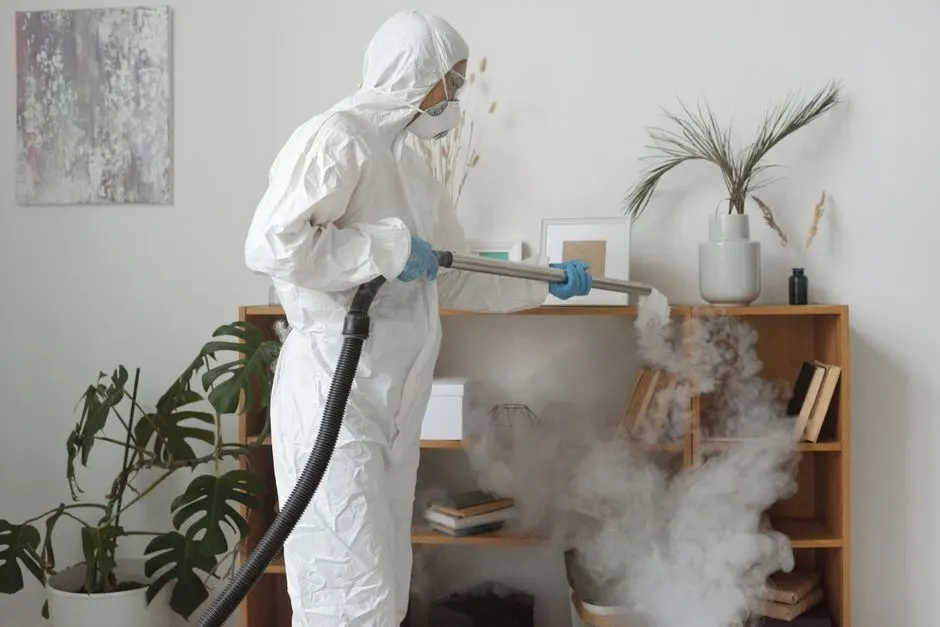
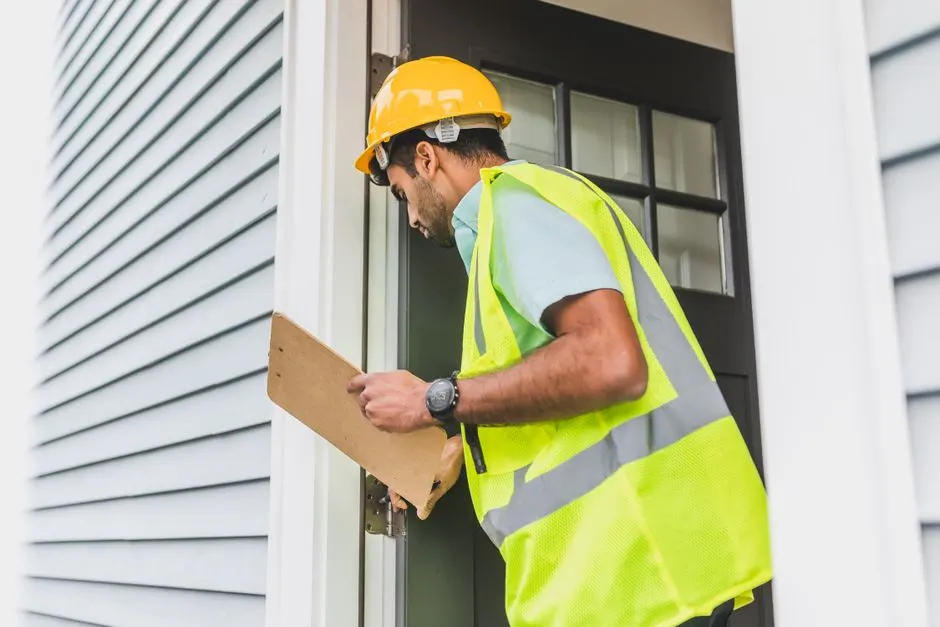
We ask about the age of the home, recent water damage from leaks or basement flooding, and any musty odors or allergic reactions from mold. That call takes 10 minutes and lets us load the right equipment. You get a two-hour arrival window and a text when the technician is en route.
02
Visual and Moisture Survey
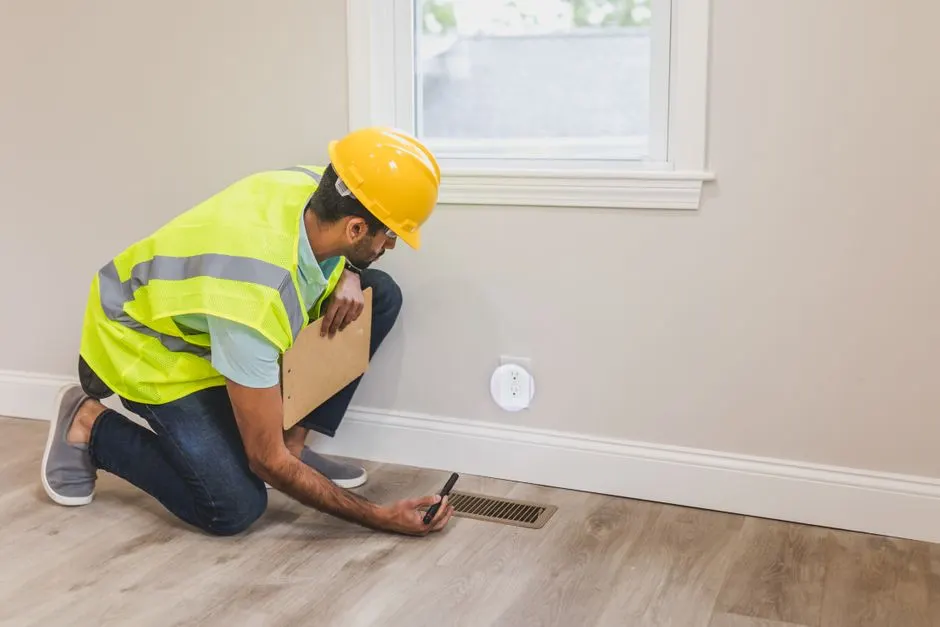
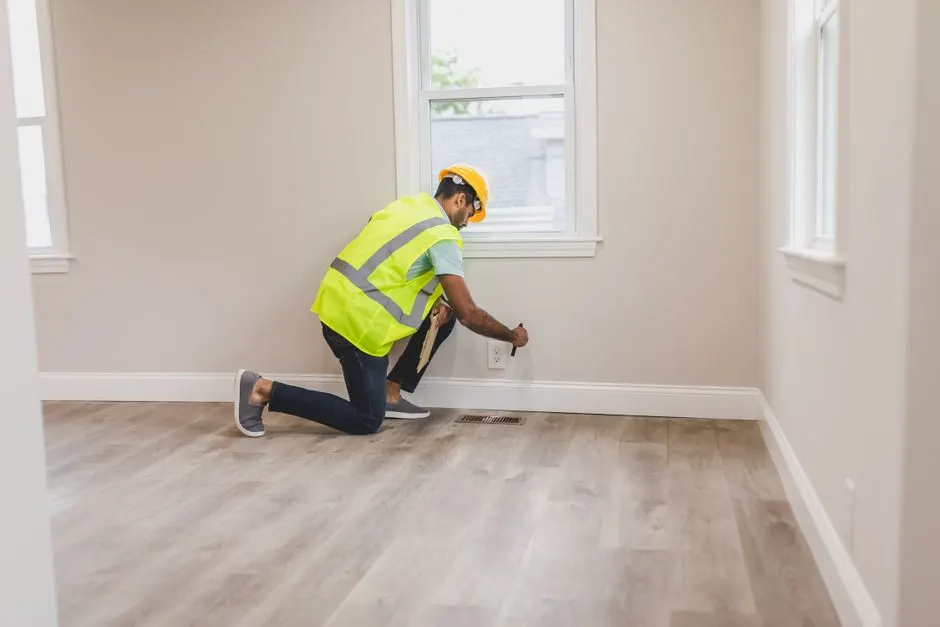
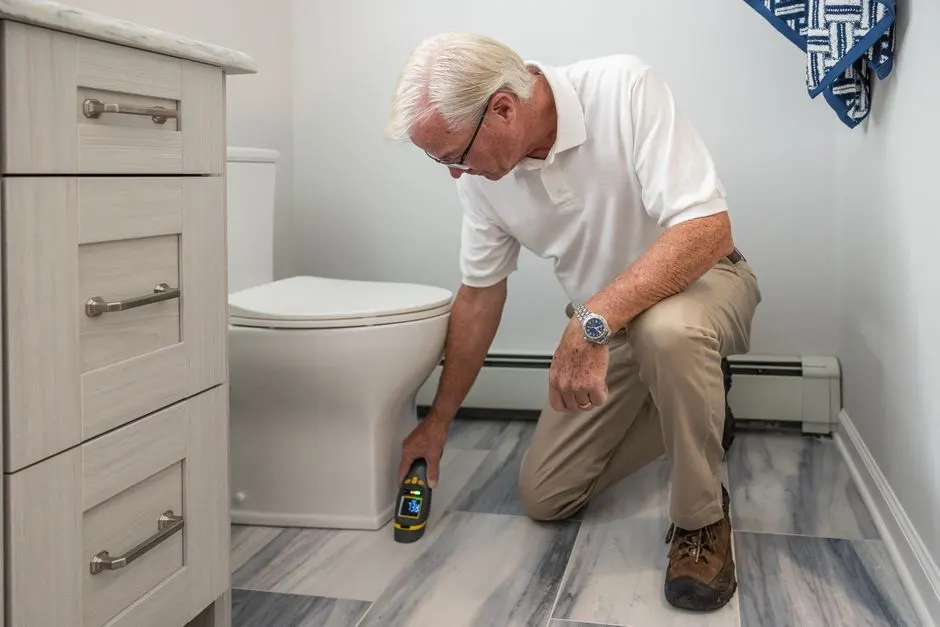
The technician walks the basement, crawl space, and mechanical room with a moisture meter and thermal imaging camera. We check baseboards, drywall seams, wood framing, insulation, and ductwork for elevated readings. This stage takes 45 to 60 minutes on a typical 1,000 square foot basement.
03
Sampling and Detection
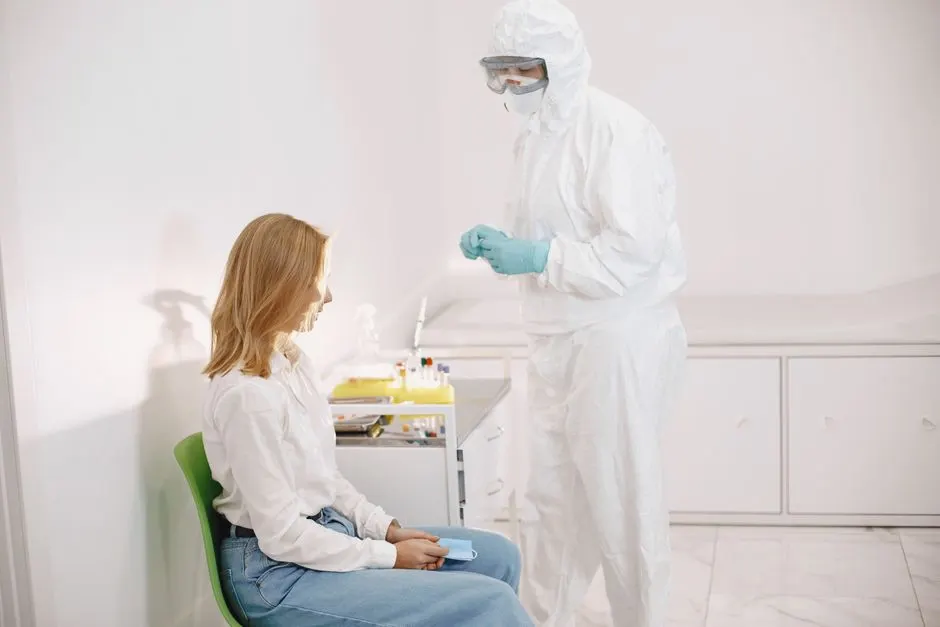
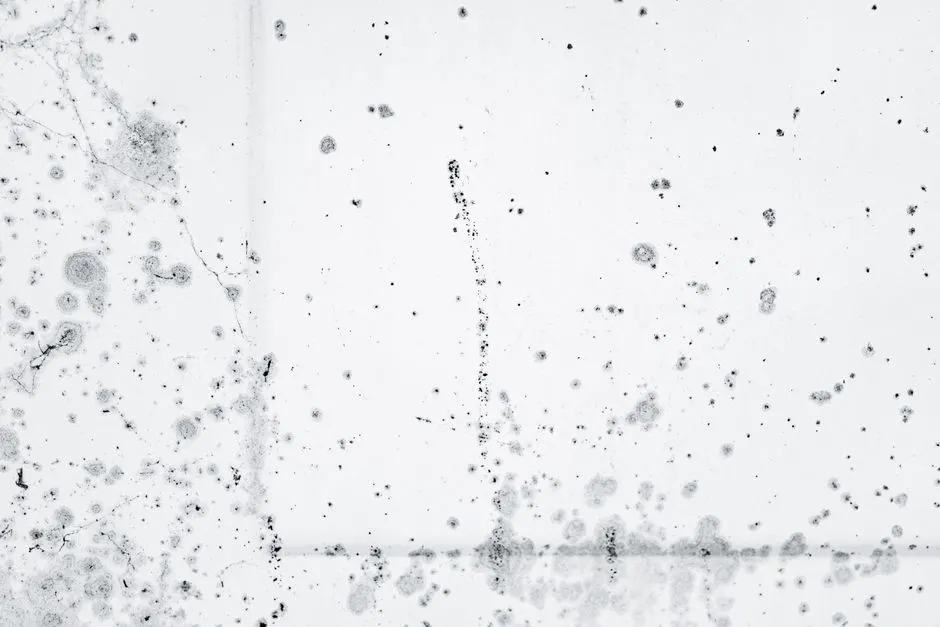
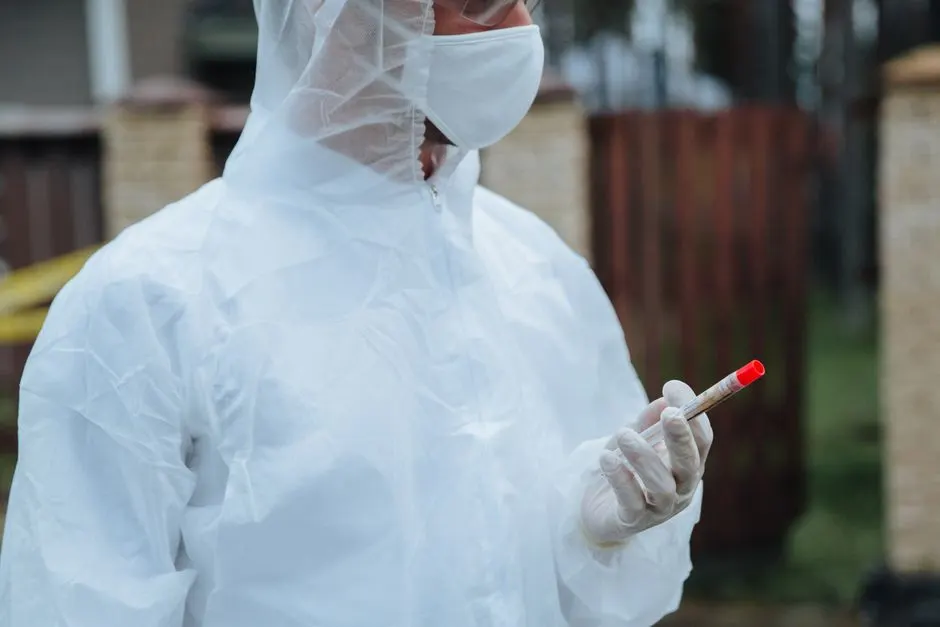
We set spore trap cassettes for a 5-minute air draw and take surface swabs from visible staining. A boroscope goes into wall cavities where thermal imaging flagged a temperature drop. Samples are sealed, labeled, and shipped to the lab the same day for culturing and direct microscopy.
04
Lab Analysis
The lab reports species and spore counts per cubic meter, usually within 24 to 48 hours. We compare indoor counts against an outdoor control sample so you are not chasing normal background spores. If counts are elevated, we map the affected zones on a floor plan.
05
Written Report and Scope
You receive a PDF with photos, thermal images, moisture percentages, lab results, and a remediation scope. The technician calls to walk you through it and answer questions. If remediation is needed, we schedule it within the week; if not, we tell you what to monitor and when to retest.